

PROJECT
Boulevard de Wielingen – Cadzand-Bad
CLIENT
Gemeente Sluis
LANDSCAPE ARCHITECT
CLAY PAVERS
DecimA DF Red Carmin
DecimA DF Claret
PROCESSING
elbow & herringbone bond
Photo's: Tijs Ketsman
Clay pavers mark the coast and public space in Cadzand-Bad
How sustainable paving protects and invites people to stroll and relax
Everything comes together in Cadzand-Bad in the Netherlands: coastal defence, landscape and public space. When it became clear that this seaside resort was a weak link in the protection against extreme storms, the need for action grew. For OKRA, this immediately presented a broader ambition: how can sustainable paving contribute to a public space that not only protects, but also invites people to stroll and relax?
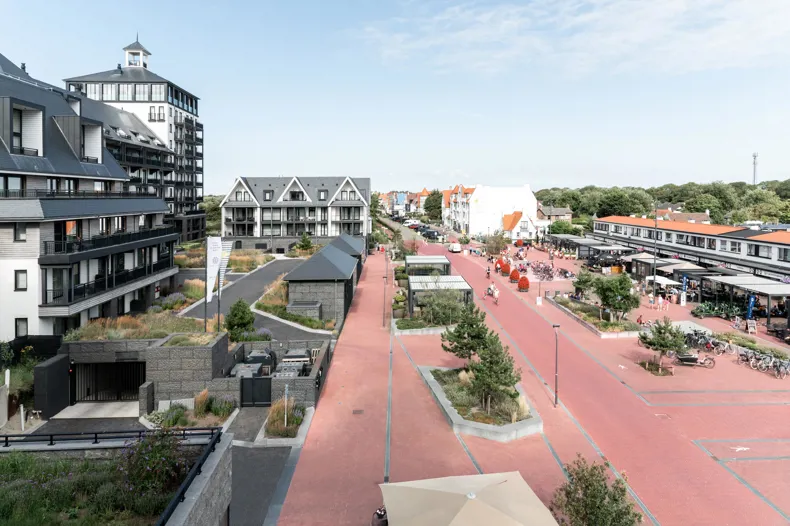
This question is the common thread running through the Cadzand-Bad redevelopment project. Under the direction of OKRA Landscape Architects, the coastal reinforcement was approached as an integral design, in which the choice of materials plays a key role. The widening of the dunes and the redesign of paths, squares and recreational areas called for paving that could withstand the coastal climate and visually blend in with the landscape.
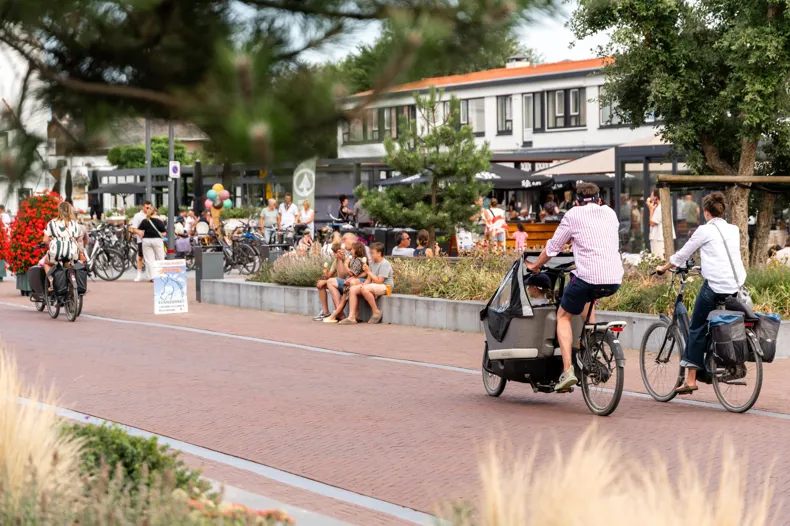
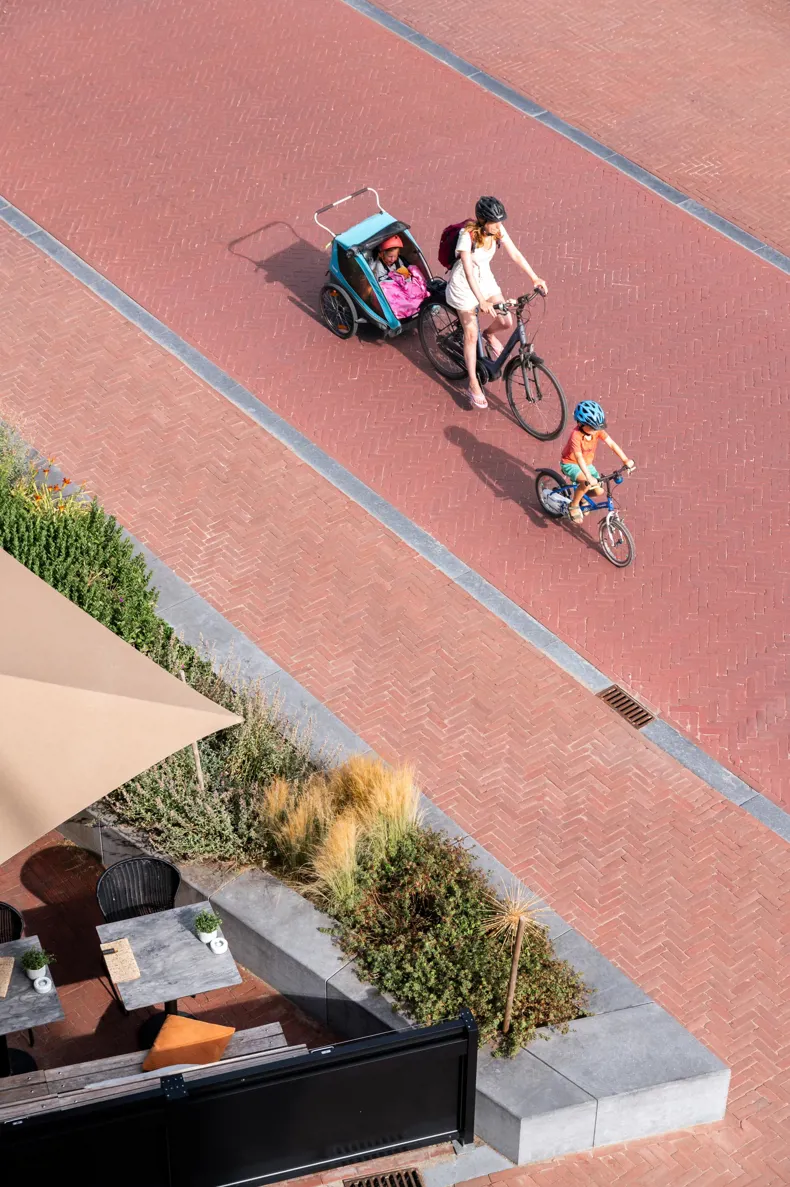
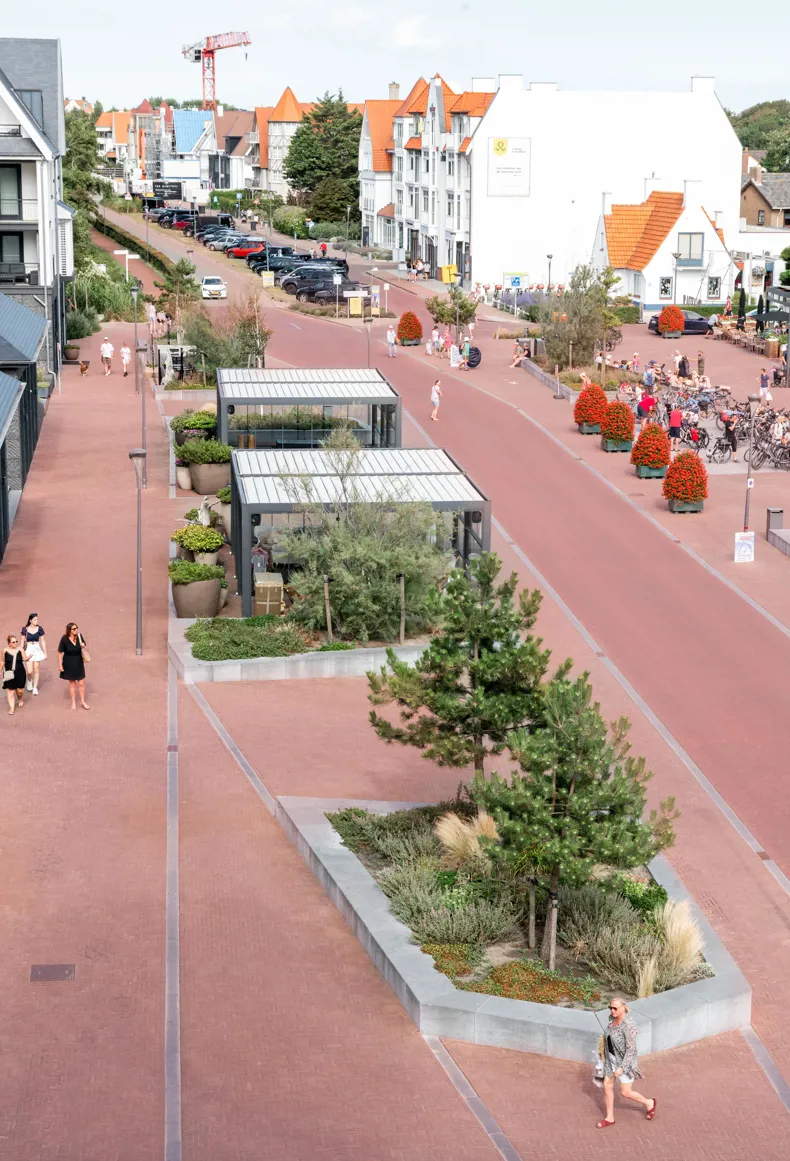
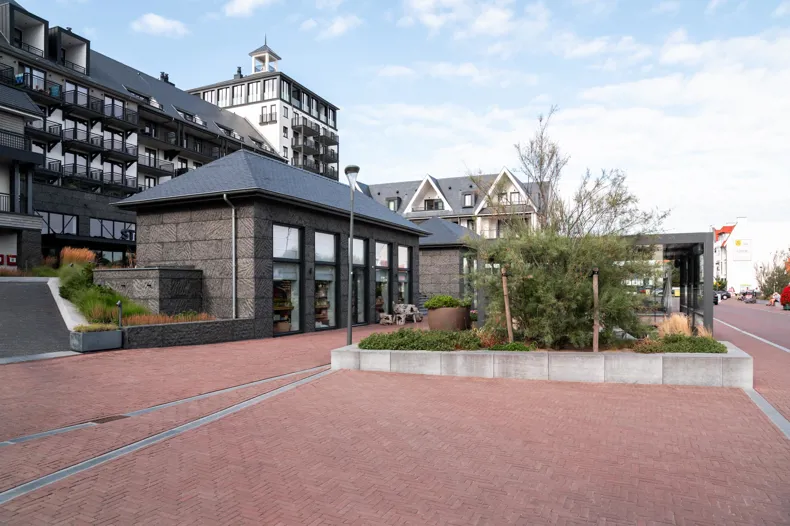
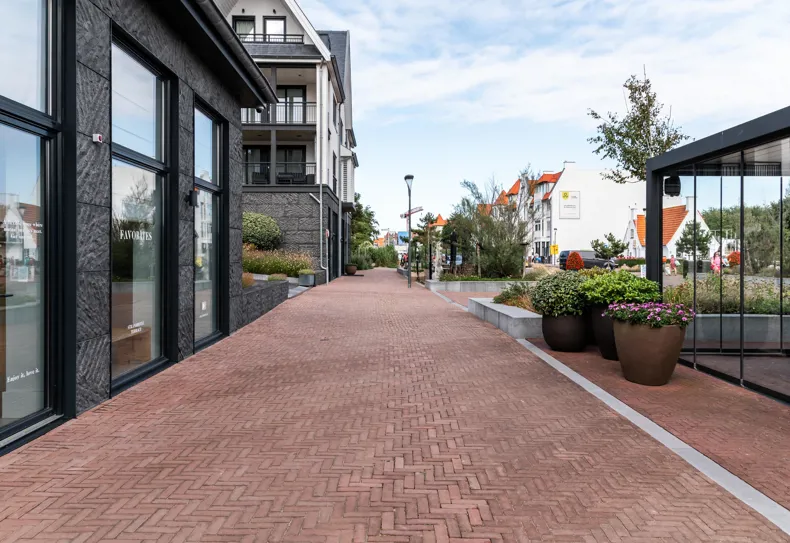
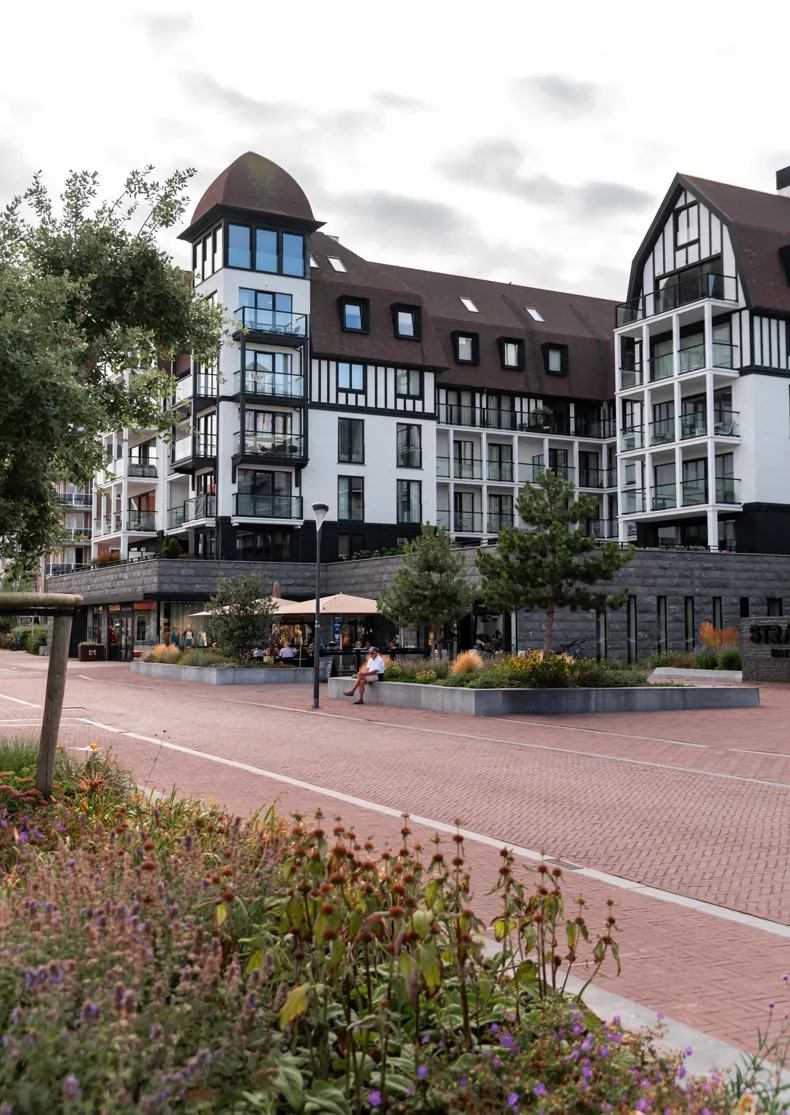
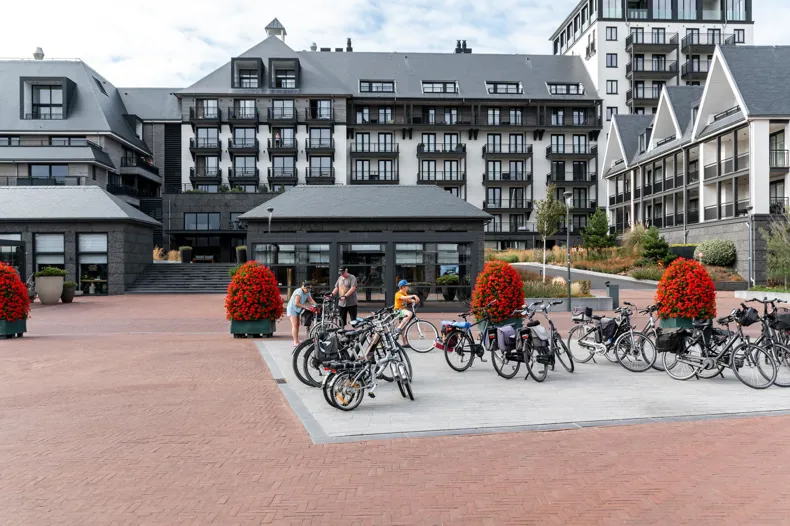
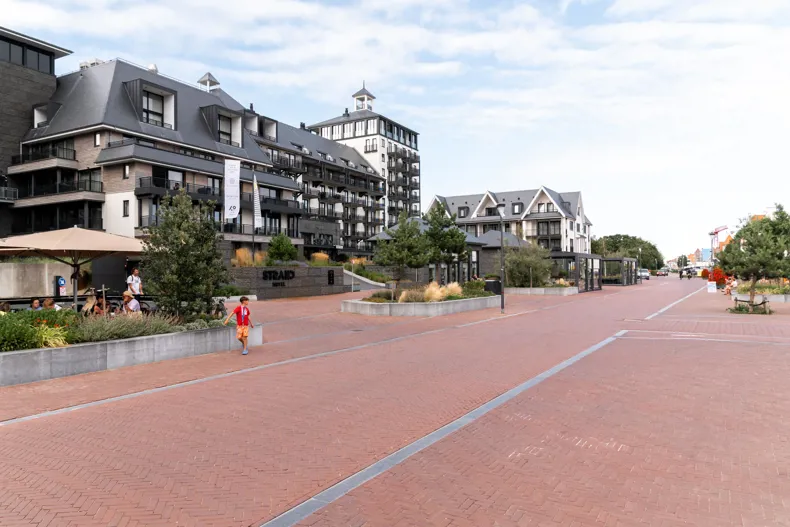
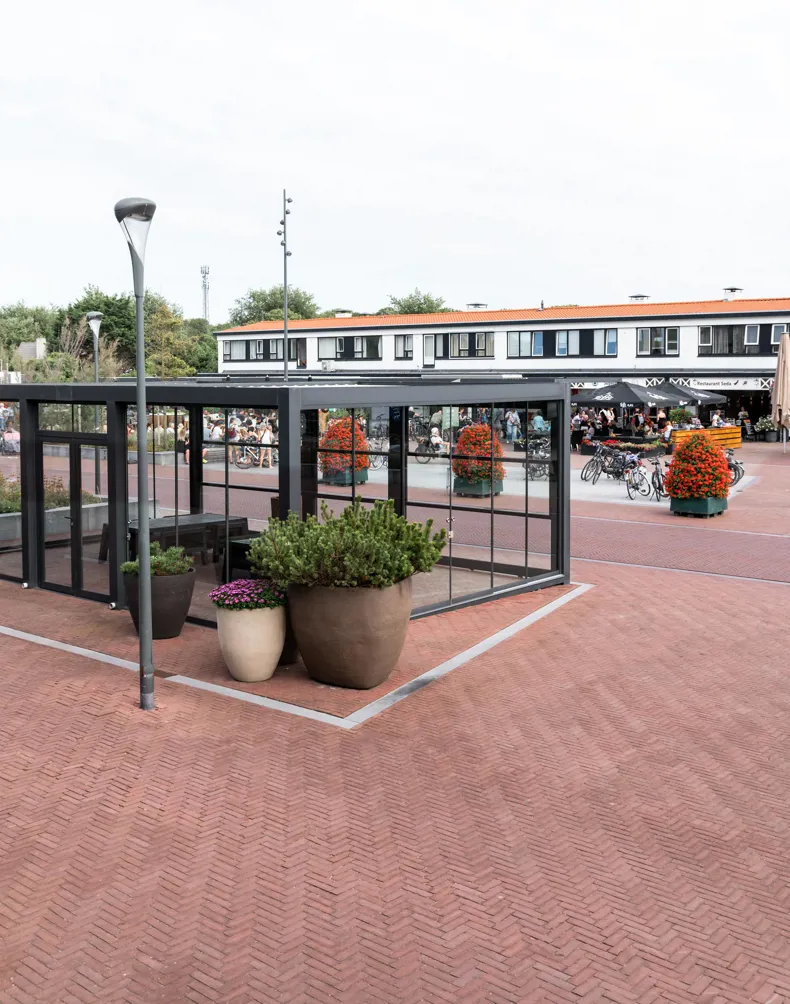
For the public space, DecimA clay DF Clay Pavers in a nuanced combination of Claret and Red Carmin were chosen. These warm, earthy tones match the sand, dunes and vegetation, while also giving depth and character to the paving. In this way, the material blends organically into the new public space around it.
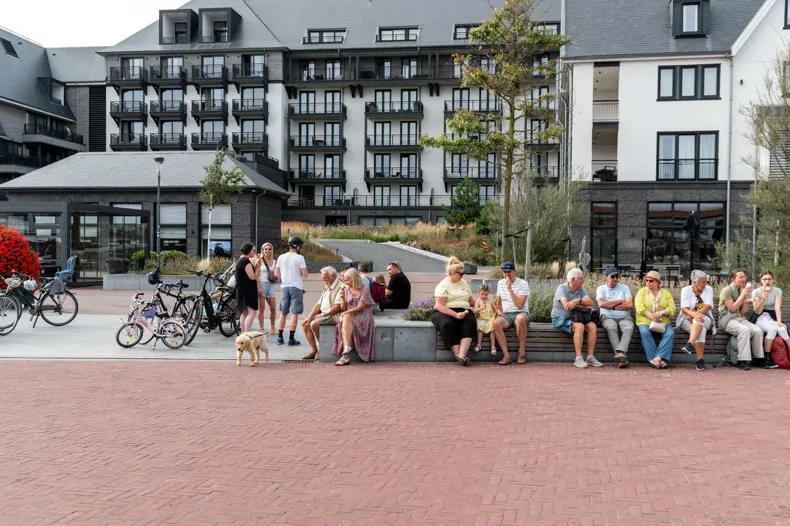
Clay pavers for greater legibility
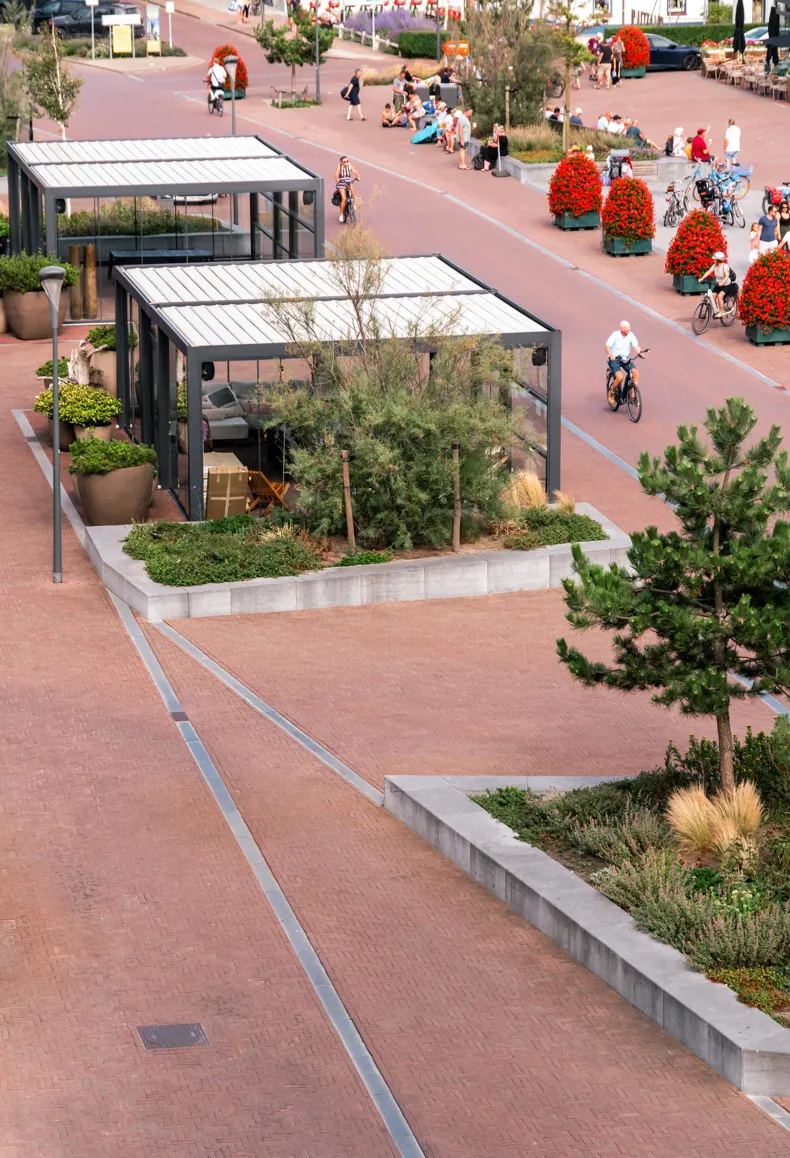
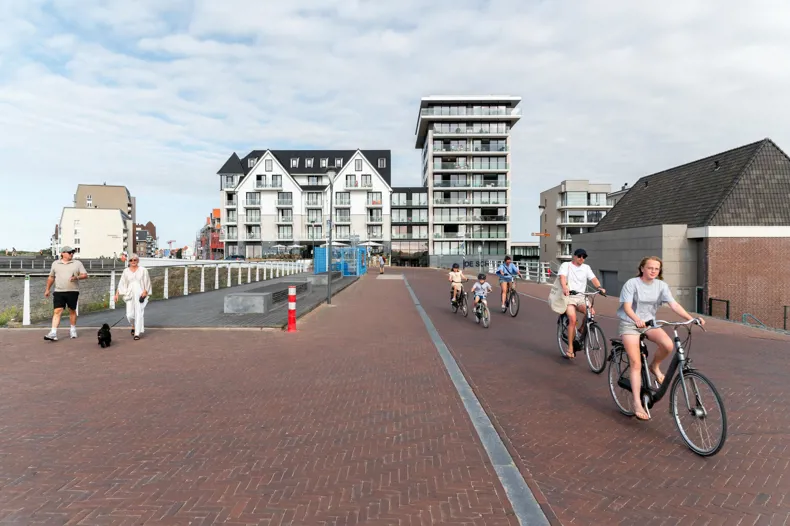
OKRA's design vision is based on a clear structure with three anchor points: the marina with the Maritime Balcony, the Dune Square in the centre and the Beach Balcony near the Dune Court. These are the places where the seaside resort comes together and where a natural transition to the dunes and the sea is created. The clay pavers plays a connecting role here: squares, paths and transitions give structure to the environment and are logically connected. The use of clay pavers also contributes to the legibility of the landscape. Elbow and herringbone patterns bring rhythm to the whole and guide movement through the space. They subtly mark transitions between residential areas and circulation. For example, at the transition from Boulevard de Wielingen to the harbour, a new sloping square has been created where cars can park. Surprising places to sit and lie down give the dune area a relaxed character. Concrete edges structure the differences in height here, while wooden elements add tactility and comfort. Around the marina, natural stone and stainless steel give the environment a refined, maritime look.
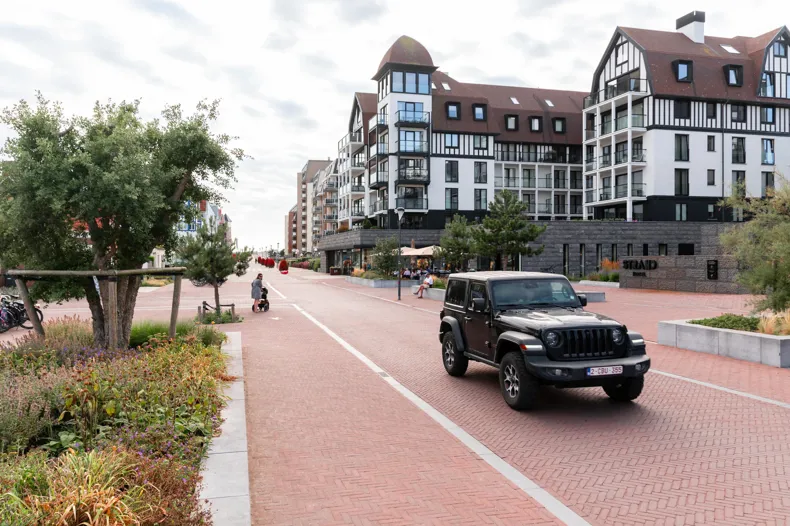
Planting beds with salt-tolerant plants follow the design language
The same design language is continued in the dunes, where Corten steel passageways create more secluded areas, which are becoming increasingly intimate as the plants grow. Natural dune vegetation and planting beds with salt-tolerant plants soften the paving and reinforce the landscape context. Greenery and clay pavers engage in a balanced dialogue here, combining sustainability, experience and aesthetics.
This project in Cadzand-Bad demonstrates how thoughtful materialisation can contribute to a future-oriented public space.